

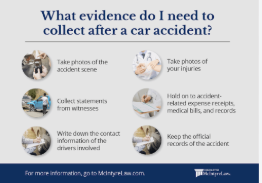
After a car crash, the documents you gather can help create a clear record of what happened, what care you received, and how the injury affected your daily life. Before discussing details with an insurer, it can be useful to organize the information you already have and identify what is still missing.
A car injury compensation calculator may also help you identify the categories of losses that should be documented. You do not need to have every record immediately. Some documents, including final medical records, repair invoices, and wage information, may take time to arrive. The goal is to preserve accurate information early, keep it in one place, and avoid relying solely on memory when describing the collision or its effects.
Why Records Matter After a Crash
A car injury claim often involves several separate questions: how the crash occurred, who was involved, what injuries were treated, what expenses resulted, and whether the injury affected work or daily activities. Records can help answer those questions with dates, descriptions, and supporting details.
Photos, witness contact information, medical notes, and repair records may each show a different part of the event. Federal crash investigators also rely on scene evidence, vehicle documentation, interviews, police reports, and medical records when studying collisions, which illustrates why preserving multiple types of records can be useful. Scene evidence and medical records can provide context that a single document may not capture.
Crash and Vehicle Documents
Begin with records tied directly to the collision. Save the police report number, exchange-of-information form, towing paperwork, repair estimates, repair invoices, and rental-car receipts, if applicable. If a report is not available yet, write down the responding agency, the officer’s name (if known), the date, time, and location of the crash.
Keep original photos and videos whenever possible. Images of the vehicles, road surface, traffic signals, weather conditions, debris, skid marks, and visible injuries may be useful later. Do not edit original image files. Instead, make copies if you want to crop or label an image for personal organization.
Medical Records and Recovery Information
Medical documentation can connect the symptoms you experienced with the care you received after the crash. Gather emergency department records, urgent-care notes, primary-care visits, imaging reports, specialist evaluations, physical therapy records, prescriptions, medical bills, and explanation-of-benefits statements.
It is also helpful to keep a simple dated journal. Note symptoms, appointments, medication effects, activities you could not complete, and changes in sleep, mobility, or work duties. Write what is accurate, not what you think someone expects to hear. Follow treatment advice from qualified medical professionals, and discuss any difficulty attending appointments with your provider.
Income and Employment Records
If the injury caused missed work or reduced duties, collect documents that show your usual earnings and the time affected. Useful materials can include pay stubs, time sheets, tax records, direct-deposit records, employer attendance records, and written confirmation of missed shifts or modified duties.
Self-employed workers may need invoices, client communications, calendars, business bank records, project schedules, or prior tax filings. Keep records of actual missed work, reduced hours, canceled jobs, or tasks you could not perform. Separate confirmed losses from estimates or possibilities.
Evidence Related to Fault
State rules determine how fault can affect an injury claim. Documents that may help clarify how a collision occurred include the police report, photographs, dashcam footage, traffic-camera footage when available, vehicle damage records, and witness statements. Save witness names, phone numbers, and email addresses promptly because contact information can change.
When speaking with an insurer, describe what you personally saw, heard, and experienced. It is usually better to say that you do not know an answer than to guess about speed, distances, traffic signals, another driver’s actions, or the cause of a symptom.
Insurance and Coverage Information
Gather the insurance information exchanged at the scene, your own policy declarations page, claim numbers, correspondence, and notes from phone calls. Your records may identify possible sources of coverage, including liability coverage, uninsured or underinsured motorist coverage, medical payments coverage, or coverage connected to a vehicle owner, employer, or household policy.
Keep these materials secure because they can contain policy numbers, medical information, and financial details. Store them where you can find them quickly without unnecessarily exposing personal information.
Preparing for the Conversation
Before the conversation, review your timeline and have the basic facts available: the crash date, location, vehicles involved, report number, medical providers, and known expenses. Take notes during the call, including the representative’s name, the date, and any requests for additional information. If an insurer asks for a recorded statement or a signed release, it may be worth speaking with a Denver car accident lawyer first.
You can provide accurate basic information while continuing to gather records. Read any authorization, release, or other document carefully before signing. A well-organized file helps you communicate clearly, track what has been provided, and make informed decisions as more information becomes available.
