

Key Takeaways
- A consistent home routine and regular professional care can make dental needs easier to manage.
- Dental schedules should reflect each person’s age, health history, and dentist’s recommendations.
- Monthly rates are best one a part of a dental plan’s overall fee.
- Written estimates and coverage checks are useful before major treatment begins.
- A basic emergency plan can help families respond more calmly to dental injuries or sudden pain.
Good oral health rarely happens by accident; it’s the result of small, consistent choices made over time. A thoughtful family dental plan brings those daily habits together with a realistic look at what care may cost down the road. Family dental planning works best when it combines daily habits, routine appointments, and a clear view of possible expenses. Households that want insurance can apply for dental insurance after comparing the to be had options, issuer networks, and advantages that be counted most to their situations. Taking the time to plan now can prevent difficult financial decisions later, especially when unexpected treatment is needed. With the right combination of habits and coverage in place, families can approach dental care with far more confidence and less stress.
Why Family Dental Planning Matters
It is easier to make thoughtful dental decisions when appointment dates, treatment recommendations, insurance details, and family health information are kept in one place. Routine care can also identify concerns before discomfort forces a rushed scheduling or budgeting decision. Oral health needs can change with age, pregnancy, medications, tobacco use, diet, and conditions such as diabetes.
Dental disease is common throughout america.The CDC reports that 57% of adolescents ages 12 through 19 have had cavities in their permanent teeth, and that cavities and gum disease are leading causes of tooth loss. A household plan cannot prevent every dental problem, but it can make prevention and follow-up more practical.
Build A Household Dental Routine
The goal is consistency, now not a complicated system. Keep the daily routine visible, simple, and realistic enough to maintain during busy school mornings, travel, and changing work schedules.
Daily Habits
- Brush twice daily with fluoride toothpaste.
- Clean between teeth once a day with floss or another tool recommended by a dental professional.
- Choose water more often than sweetened drinks.
- Replace toothbrushes or electric brush heads when they become worn.
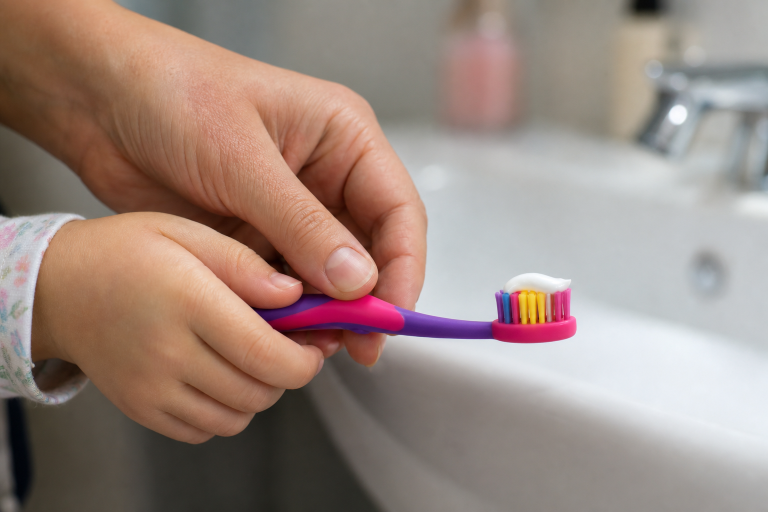
- Help young children brush until they have the skill to do a thorough job independently.
Simple Ways To Keep Everyone On Track
- Store supplies where family members can easily reach them.
- Add appointments and follow-up dates to a shared calendar.
- Set reminders for upcoming visits and plan benefit deadlines.
- Pair brushing with established morning and bedtime routines.
Schedule Care By Age
There isn’t any single appointment time table that fits every person. A dentist can recommend the timing of visits based on cavity risk, gum health, orthodontic needs, medical history, and past treatment.
Babies And Young Children
Parents can ask about the first dental visit, fluoride use, healthy snack habits, and whether sealants may be appropriate as permanent molars come in. Early supervision helps children develop brushing habits while limiting the amount of toothpaste they swallow.
School-Age Children And Teens
Regular visits are a good time to discuss sports mouthguards, frequent snacking, orthodontic questions, and preventive treatments. Teens may need calendar reminders and a clear explanation of why daily care still matters when life gets busy.
Adults And Older Adults
Adults should discuss gum health, dry mouth, dental injuries, and oral cancer screenings during routine care. Older adults may need help managing dentures, gum recession, medication-related dry mouth, or limited hand strength when brushing and cleaning between teeth.
Compare Dental Coverage
For a family of four, comparing plans means looking beyond the monthly premium. Review the plan materials carefully, because covered services, provider choices, and member costs can differ by plan and location. The key parts of a dental plan are especially important when estimating the family’s likely spending.
- Premium: the recurring amount paid to hold insurance energetic.
- Deductible: an amount a member may pay earlier than positive benefits observe.
- Copayment: a fixed charge for a covered service.
- Coinsurance: the portion of an eligible price paid by way of the member.
- Annual maximum: the maximum a plan may additionally pay at some stage in the plan year.
- Network: the providers participating in the plan.
Estimate Out-Of-Pocket Costs
A price range estimate does now not want specific costs to be useful.Start with the services each person is likely to need, then verify plan details and ask the dental office about expected charges.
- List each household member and anticipated visits.
- Include exams, cleanings, X-rays, follow-up visits, and any known treatment.
- Confirm whether the dentist and specialists are in network.
- Review deductibles, cost sharing, exclusions, frequency limits, and annual maximums.
- Request a written estimate before significant treatment.
- Reserve some funds for urgent or uncovered care.
Commonly missed expenses include out-of-network charges, lab fees, replacement retainers or mouthguards, and treatment that extends into a new plan year. Coverage should be confirmed before treatment is scheduled, rather than assumed from a previous visit.
Questions To Ask Before Treatment
- What problem does this treatment address?
- What are the benefits and possible consequences of delaying it?
- Are there other appropriate treatment options?
- Is the provider in the plan network?
- What is the expected plan payment and household responsibility?
- Do exclusions or frequency limits apply?
- Can treatment be completed in stages if appropriate?
- Can the office provide a written estimate?
Prepare For Dental Emergencies
A small emergency plan can reduce confusion when tooth pain, a broken tooth, swelling, or an injury occurs. Save the dental office number in caregivers’ phones, keep a current list of medications and allergies, and ask the office how it handles urgent visits after normal hours. Clean gauze and a cold pack are useful basic supplies. Facial swelling with breathing difficulty, uncontrolled bleeding, or a serious facial injury requires urgent medical attention.
Use A Yearly Checklist
- Confirm each person’s next dental appointment.
- Review benefit documents and coverage changes.
- Verify network participation before major treatment.
- Update contact, dependent, medication, and allergy information.
- Review treatment recommendations and written estimates.
- Replace worn toothbrushes, brush heads, and mouthguards.
- Set a reminder for the next household dental review.
Final Thoughts
A family dental care plan does not need to be elaborate. Daily habits, routine professional care, direct cost questions, and a yearly review create a dependable foundation. The most useful plan is one that fits the household’s health needs, schedule, and budget while leaving room for unexpected care.
