


Key Takeaways
- Choose a trip style that reflects both travelers’ interests and energy levels.
- Visit fewer places so there is time to enjoy each destination together.
- Set a shared budget before booking transportation, hotels, meals, and activities.
- Plan a few meaningful moments, then leave room for slow mornings and surprises.
- Use rail routes thoughtfully, especially when cities are well connected by train.
- Review passports, entry rules, reservations, and cancellation terms before departure.
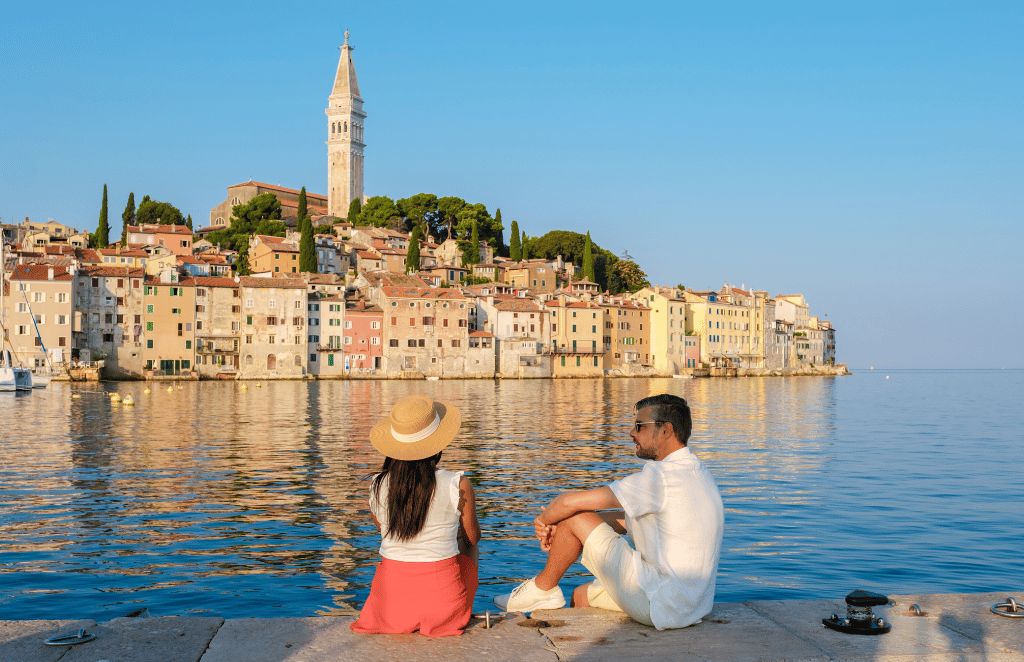
Europe is well-suited to romantic travel because one trip can combine grand city streets, quiet coastal towns, historic neighborhoods, mountain scenery, and long meals in local restaurants. The best itinerary is not the one that checks off the most landmarks. It is the one that gives a couple of spaces to share the parts of Europe that matter most to them.
For travelers who want help shaping the route, accommodations, and pace, curated European honeymoon packages can offer a useful starting point. Whether the trip is a honeymoon, anniversary celebration, proposal journey, or simply time away together, thoughtful planning can make every stop feel less rushed and more meaningful.
Start With Shared Preferences
A successful romantic trip begins before the first reservation. Each person should name a few experiences they want most, a few things they would rather skip, and one memory they hope to create together. This simple conversation prevents an itinerary from leaning too heavily toward one traveler’s idea of a perfect vacation.
One partner may picture museum afternoons and late dinners in Rome, Prague, or Paris. The other may want sea views, hiking paths, or a quiet village base in Croatia, Slovenia, or Greece. Those wishes can coexist when the route includes a balance of city energy and restorative downtime.
Questions Worth Asking Early
- Do we prefer food, art, beaches, history, nature, wellness, or nightlife?
- How much walking and sightseeing feels enjoyable in a normal day?
- Would we rather settle into two or three places than change hotels often?
- Which experience is worth spending more on?
- How much unplanned time do we want?
Choose The Right Trip Style
Choose the trip shape before choosing each destination. A city-and-culture escape may center on architecture, galleries, cafés, markets, and evening walks. A coast-and-countryside journey may favor scenic drives, wineries, small harbors, and slower meals. Food-focused travel can include cooking classes, regional tastings, and reservations at one or two memorable restaurants.
Another appealing option is slow travel. Instead of moving every other day, stay longer in a few well-chosen areas. This approach creates room for repeat visits to a favorite bakery, a relaxed morning at the hotel, or an afternoon with no agenda at all.

Pick Destinations That Work Together
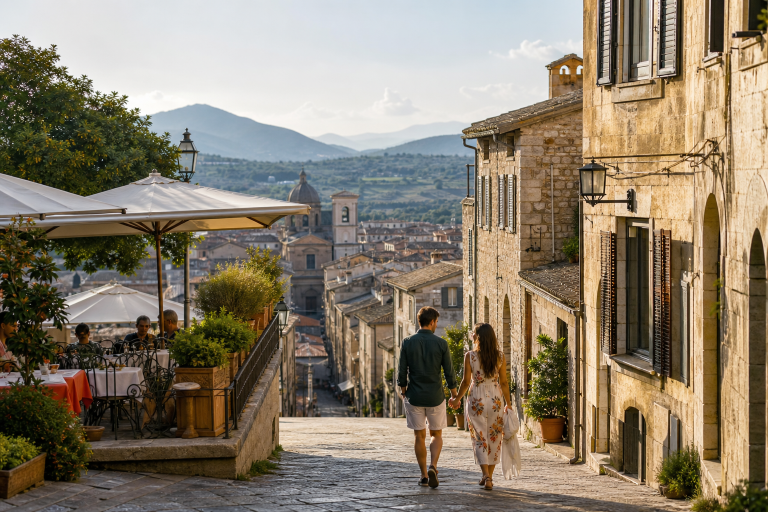
A famous city list may look impressive, but it can create a tiring trip if every stop requires a long transfer. Select destinations that share a sensible geographic path and offer different moods. For example, a lively capital can pair well with a smaller coastal town or a countryside stay.
When comparing options, consider travel time, seasonal conditions, hotel prices, airport access, rail connections, and the daily pace each place requires. A useful structure is one main destination, one contrasting stop, and one flexible day-trip area. That mix creates variety without turning the vacation into a race.
Build A Comfortable Route
Give each major stop enough time to feel distinct. Two or three nights can work well for many cities, while beach towns and regions with several day-trip options often reward longer stays. Keep the arrival evening light after an overnight flight, and avoid placing your most important dinner or tour immediately after landing.
Build the route by confirming arrival and departure airports first, grouping destinations by region, and placing the longest transfer on a day when nothing else is scheduled. Every few days, leave a free afternoon for rest, shopping, wandering, or a change of plans.
Plan A Clear Couple’s Budget
Budget conversations are not glamorous, but they protect the mood of the trip. Agree on a total amount before booking, then decide where comfort matters most. Some couples value a central hotel location. Others would rather choose a simpler room and spend more on dining, private tours, or a special activity.
Divide Spending Into Simple Categories
- Transportation: Flights, trains, ferries, transfers, and rental cars.
- Accommodation: Room rate, taxes, breakfast, and location.
- Dining: Everyday meals, drinks, and one or two special reservations.
- Experiences: Museum tickets, local guides, tastings, classes, and excursions.
- Buffer: A reserve for delays, unexpected taxis, medical needs, or spontaneous plans.
Add Romantic Moments Without Overplanning
Romance is often more memorable when it is personal rather than expensive. Reserve one standout dinner with a view, take a private food or history walk, or choose a neighborhood café to visit each morning. A sunrise stroll, a picnic in a city park, or handwritten notes opened at different stops can feel more intimate than a tightly scheduled luxury experience.
Plan only a few major highlights. The rest of the itinerary should make room for conversation, recovery after travel, and the small discoveries that rarely appear in a guidebook.
Consider Rail Travel Between Cities
Train travel can make a transfer feel like part of the holiday rather than lost time. Before booking, check whether seat reservations are required, how far the station is from the hotel, whether the connection is direct, and how much time is needed to change trains. Travelers using rail within the European Union can review rail passenger rights, although some services may have specific exemptions or conditions.
Book The Details In The Right Order
- Confirm travel dates, work schedules, and the desired trip length.
- Set the overall budget and reserve fund.
- Choose a realistic route with limited hotel changes.
- Book international flights or other major transportation.
- Reserve accommodations in convenient, walkable areas where possible.
- Secure limited-entry attractions, popular tours, and special meals.
- Confirm local trains, ferries, transfers, or rental arrangements.
- Review names, dates, times, baggage rules, and cancellation policies.
Avoid Common Planning Mistakes
- Trying to see too much: Fewer destinations usually mean more time together.
- Skipping rest time: Busy sightseeing days are easier to enjoy with a slower day in between.
- Ignoring different spending habits: Discussing priorities early avoids uncomfortable choices later.
- Booking key experiences too late: Keep an eye on availability for places that matter most.
- Underestimating terrain: Hills, stairs, cobblestones, and long walks can change the day’s pace.
Use A Final Pre-Trip Checklist
One or two weeks before departure, review the basics together. Confirm passport validity, entry requirements, transportation details, hotel addresses, insurance coverage, and emergency contacts. Non-EU visitors should check the applicable travel documents and entry requirements for the countries along their route, as rules can vary by nationality and destination.
Download maps, tickets, and reservation confirmations for offline access. Pack comfortable shoes and weather-ready layers, then leave a little empty space in the schedule. That final bit of flexibility is often what turns a well-planned European getaway into a trip that feels genuinely your own.